Outlive Summary
🔊 Listen to this summary
In short
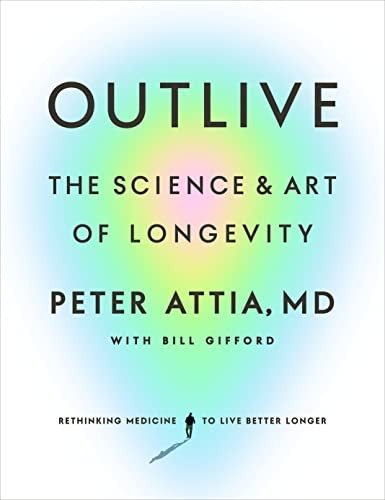
Peter Attia's argument is that modern medicine is brilliant at treating disease once it arrives — and terrible at preventing it. Outlive makes the case for Medicine 3.0: a proactive, personalized approach that targets the four horsemen of chronic disease decades before they strike, so you extend not just your lifespan but your healthspan — the years you live well.
We are living longer than ever — and spending more of those extra years sick. The Outlive summary, in one line: the diseases that will most likely kill you are slow-moving, says Peter Attia, and the time to fight them is decades before they show up. Not with a miracle pill, but with early prevention built on five pillars: exercise, nutrition, sleep, emotional health, and targeted medicines.
Key takeaways
- Modern medicine (Medicine 2.0) reacts to disease; Medicine 3.0 prevents it decades early.
- Four chronic diseases — the 'four horsemen' — cause most deaths and lost years of health.
- The goal is healthspan, not just lifespan: more years lived well, not just more years.
- Exercise is the most powerful longevity 'drug' the book identifies — ahead of any pill.
- Train now for what you want to do at 100: the Centenarian Decathlon.
Outlive summary: Medicine 3.0 — stop waiting for disease
Attia divides medicine into eras. Medicine 1.0 was observation and guesswork. Medicine 2.0 — the modern era of germ theory, antibiotics, and surgery — conquered fast deaths like infections and injuries, and it is superb at keeping a sick person alive. But chronic disease is a slow death, and Medicine 2.0 mostly waits for it to arrive, then treats it.
Medicine 3.0, the book's proposal, flips the timing: prevent first, personalize the plan to the individual, and start decades before symptoms. The book argues that both action and inaction carry risk — doing nothing is also a choice, and for slow diseases it is usually the worse one.
The four horsemen of chronic disease
The book's strategy is built around four conditions Attia calls the four horsemen: heart disease, cancer, neurodegenerative disease (above all Alzheimer's), and type 2 diabetes and metabolic disease. Together, the book argues, they account for the large majority of deaths and of years lived in poor health.
These are not sudden events. Atherosclerosis, the process behind most heart disease, can build silently for decades. Metabolic dysfunction, meanwhile, is the book's central villain: it feeds into the other three horsemen as well. That is why the book argues prevention has to start early — in your thirties and forties, not your seventies.
Exercise is the most powerful longevity drug
Of the five pillars — exercise, nutrition, sleep, emotional health, and exogenous molecules (medicines and supplements) — the book puts exercise first by a wide margin. Attia breaks it into four parts: Zone 2 aerobic training (steady, conversational effort), VO2 max intervals (short, hard efforts that raise your aerobic ceiling), strength training, and stability work.
The point is not to become an athlete. It is the Centenarian Decathlon: decide what you want to be able to do in your final decade — carry your own groceries, get up off the floor, hike a hill, play with grandchildren — and train backward from those abilities. The book argues that the biggest gains go to people who move from doing nothing to doing something, not to those who optimize an already-fit routine.
The other pillars: food, sleep, feelings, and molecules
Nutrition, in the book's telling, is less about picking a diet tribe and more about energy balance and eating enough protein — the details matter less than consistency. Sleep is treated as essential medicine for the brain, not a luxury. Emotional health gets a full chapter of its own: Attia writes openly about his own struggles with trauma and anger, and argues that a longer life is pointless if it is lived miserably.
The fifth pillar, exogenous molecules, covers targeted medicines such as statins — tools the book argues can reduce risk further once the lifestyle foundations are in place. They are the last step, not the first.
Who should read this book
Anyone in their thirties, forties, or fifties who wants to think seriously about aging — and anyone who has watched a parent decline and wondered whether that path is inevitable. It is the most science-heavy book on this list, so expect detail; but the core message is simple, and it lands early.
The takeaway
You will probably not die quickly. You will most likely die slowly, of one of four diseases that start building decades before they kill you. The book's argument is that the best time to fight them was years ago, and the second-best time is now — with exercise first, sleep and food next, and your emotional health treated as part of the plan, not separate from it.
Our verdict
The most useful health book of the decade — and the densest. The Medicine 3.0 framing and the Centenarian Decathlon alone are worth the read, though the middle chapters demand patience from non-scientists. Our rating: 4.5/5.
Try this today: Go for a 30-minute brisk walk you can still talk through — that is Zone 2, and the book argues it is the foundation of everything else.
If you want to go deeper on this theme, Why We Sleep, The Body Keeps the Score, and The Psychology of Money are the natural next reads.
Frequently asked questions
What is Outlive about?
Peter Attia argues that modern medicine waits until disease appears and then treats it — too late. Outlive makes the case for Medicine 3.0: preventing the four horsemen of chronic disease decades before they strike, to extend both lifespan and healthspan.
What are the four horsemen?
Heart disease, cancer, neurodegenerative disease (such as Alzheimer's), and type 2 diabetes and metabolic disease — the four chronic conditions the book argues cause most deaths and most lost years of healthy life.
What is Medicine 3.0?
Attia's name for a proactive, personalized approach to health: early prevention, individual risk assessment, and acting decades before symptoms appear — versus Medicine 2.0, which mostly reacts once disease has already arrived.
What is the Centenarian Decathlon?
The book's training idea: decide what you want to be able to do at 100 — carry groceries, hike a hill, play with grandchildren — and train now for those specific abilities.
Is Outlive medical advice?
No. It is a popular-science book summarizing the author's views and the research he cites. It is not medical advice; talk to your own doctor before changing your diet, exercise, or medication.
Do I need to be an athlete to follow it?
No. The book argues the biggest gains come from going from doing nothing to doing something — regular Zone 2 cardio, some strength work, and better sleep.
Want the full book?
This summary covers the core ideas — the full book goes much deeper with stories, research, and detail.
Get Outlive on AmazonAs an Amazon Associate I earn from qualifying purchases.
This summary shares a book's ideas for general education only — it is not medical advice. Consider speaking to a qualified health professional before acting on any of it.
Your turn
Which idea from this book hit you hardest — and what will you do differently this week because of it? Join the discussion under our 60-second video on YouTube.
Discuss on YouTube
Comments
Share what you thought of this book — good or bad. Sign in with a free GitHub account to comment.
Want a different book summarized? Suggest it here.