The Richest Man in Babylon Summary
🔊 Listen to this summary
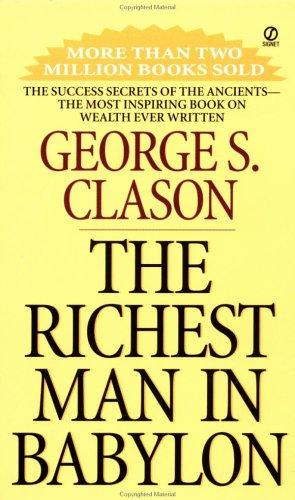
In short
First published in 1926, George S. Clason's classic teaches money through parables set in ancient Babylon. Its hero is Arkad, the city's richest man, who explains how he built his fortune in seven simple "cures for a lean purse" — starting with the rule that still matters most: pay yourself first.
Nearly a century old, The Richest Man in Babylon summary, in one line: wealth is not about how much you earn, says George S. Clason — it is about the simple habits that keep some of what you earn, put it to work, and protect it from loss. No spreadsheets, no jargon, just stories from a city that ran on gold coins.
Key takeaways
- Pay yourself first — save a tenth of everything you earn, before anything else.
- Control your spending by separating real needs from wants that only feel necessary.
- Put your savings to work so they earn more — idle money stays idle.
- Guard your money from loss; never risk it on schemes you do not understand.
- Your ability to earn is itself an asset — keep improving it.
Pay yourself first: start thy purse to fattening
The first cure is the whole book in one sentence: "For every ten coins thou placest within thy purse take out for use but nine." Arkad's point is about order, not arithmetic. Most people spend first and save whatever is left — which is usually nothing. Saving a tenth first, before any bill or pleasure, reverses that. The amount matters less than the habit: a purse that fattens by a tenth every payday grows whether you notice it or not, and the habit survives raises, setbacks, and good years alike.
The seven cures for a lean purse
When the king of Babylon asks Arkad to teach the city's citizens, he lays out seven cures, each building on the last:
- Start thy purse to fattening — save a tenth of all you earn.
- Control thy expenditures — budget so needs are met and wants don't swallow the rest.
- Make thy gold multiply — invest savings so they earn more.
- Guard thy treasures from loss — invest only where your principal is safe.
- Make of thy dwelling a profitable investment — own your home rather than paying rent forever.
- Insure a future income — provide for old age and for those who depend on you.
- Increase thy ability to earn — keep learning and growing more skillful at your work.
Gold multiplies — and it also disappears
The middle cures are where most people fail. Arkad insists that saved money must be put to work, because coins sitting idle earn nothing — but he is just as firm that the first rule of investing is safety of principal. The book's unlucky characters lose their gold the same way people lose money today: trusting it to someone with no experience, or chasing a return that sounds too good to be true. Arkad's rule is simple — take advice only from people who have actually succeeded at the thing you are asking about.
Who should read this book
Anyone earning their first paycheck, anyone living month to month, and anyone who finds modern finance books intimidating. It is short, plain, and nearly a hundred years old — and its advice still works. Readers who want modern detail should follow it with a current investing book.
The takeaway
For every ten coins thou placest within thy purse take out for use but nine.
That one sentence is the book. Everything else — the budgeting, the investing, the warnings — only protects it. Save first, spend what is left, and let time do the rest.
Our verdict
The simplest money book ever written, and still one of the best starting points. The parables make the lessons stick in a way no spreadsheet ever will. It loses half a point because the old-fashioned language takes getting used to, and the advice to own a home does not fit everyone's life today. Our rating: 4.5/5.
Try this today: Set up an automatic transfer of 10% of your next paycheck into savings — before you spend a cent of it.
If you want to go deeper on this theme, Rich Dad Poor Dad, The Psychology of Money, and The Simple Path to Wealth are the natural next reads.
Frequently asked questions
What is The Richest Man in Babylon about?
George S. Clason teaches personal finance through parables set in ancient Babylon. Its central figure, Arkad, the city's richest man, explains the seven 'cures for a lean purse' that took him from an ordinary worker to great wealth.
What are the seven cures for a lean purse?
Start thy purse to fattening; control thy expenditures; make thy gold multiply; guard thy treasures from loss; make of thy dwelling a profitable investment; insure a future income; and increase thy ability to earn.
What does 'pay yourself first' mean?
Save a tenth of everything you earn before you pay any bill or buy anything. The book's rule is: for every ten coins you earn, spend only nine.
Is The Richest Man in Babylon a true story?
No. Arkad and the other characters are fictional, and the stories are parables Clason wrote to teach financial principles. The book began as a series of pamphlets in 1926.
Is the book still relevant today?
Yes. The principles — save first, spend less than you earn, invest carefully, keep learning — have not changed in a century. Only the language is old-fashioned.
Want the full book?
This summary covers the core ideas — the full book goes much deeper with stories, research, and detail.
Get The Richest Man in Babylon on AmazonAs an Amazon Associate I earn from qualifying purchases.
This summary shares a book’s ideas for general education only — it is not financial advice. Consider speaking to a qualified financial adviser before acting on any of it.
Your turn
Which idea from this book hit you hardest — and what will you do differently this week because of it? Join the discussion under our 60-second video on YouTube.
Discuss on YouTube
Comments
Share what you thought of this book — good or bad. Sign in with a free GitHub account to comment.
Want a different book summarized? Suggest it here.